
Once the summer guests have gone home and the olives are picked, Tuscany switches its lights back on. From mid-November, wooden stalls appear on the most beautiful squares, the air smells of mulled wine and roasted chestnuts, and medieval façades become the backdrop for light shows. In this guide we list the most beautiful Christmas markets in Tuscany, with videos, practical tips and how to combine them from Borgo Vista Serena, in the green Casentino valley near Arezzo.
In short
Driving times are from the borgo in Serraglio (Castel Focognano). Dates change every year, so always check the market's official website.
| Christmas market | From the borgo | Usually open | Highlights |
|---|---|---|---|
| Arezzo, Città del Natale | ± 35 minutes | mid-November – late December | Tyrolean village, light show, Santa's house |
| Florence, Piazza Santa Croce | ± 1 hr 15 min | late November – just before Christmas | German-style market in front of the basilica |
| Montepulciano | ± 1 hr 15 min | late November – 6 January | Largest Christmas market in central Italy, Santa's castle |
| Siena, Mercato nel Campo | ± 1 hr 15 min | a few days around 8 December | Medieval market on the Piazza del Campo |
| Cortona | ± 1 hour | December – early January | Christmas lights and nativity scenes in a hill town |
| Casentino | 15 – 45 minutes | December | Nativity scenes, village markets, Montemignaio's Christmas trees |
In December Arezzo becomes Tuscany's Christmas city, and it is also the closest to us. At the heart of the Città del Natale is the Tyrolean village (Villaggio Tirolese) on the Piazza Grande, the sloping square below Vasari's loggias. Dozens of wooden chalets sell decorations, crafts and specialities from the Alps: pretzels, dumplings, polenta, raclette, beer and roast pork. It is the largest Tyrolean Christmas village in Italy outside South Tyrol.
Around the Piazza Grande the celebrations spread through the whole old town:
At first the Tyrolean village is only open Thursday to Sunday (10:00–21:00), and every day in the last days before Christmas. The Ferris wheel, ice rink, fortress and Brick House charge admission; strolling around the markets is free.
Our tip: leave the car and take the little train. From Rassina station, in our own municipality, the local train reaches Arezzo in about 45 minutes, and from the station it is a short walk into the old town. If you drive, park outside the ZTL (limited traffic zone), for example at Parcheggio Pietri, which has escalators up to the cathedral.
Read more about the city on our Arezzo page. The big antiques fair (Fiera Antiquaria), held on the first weekend of every month, coincides with the Christmas market in December.
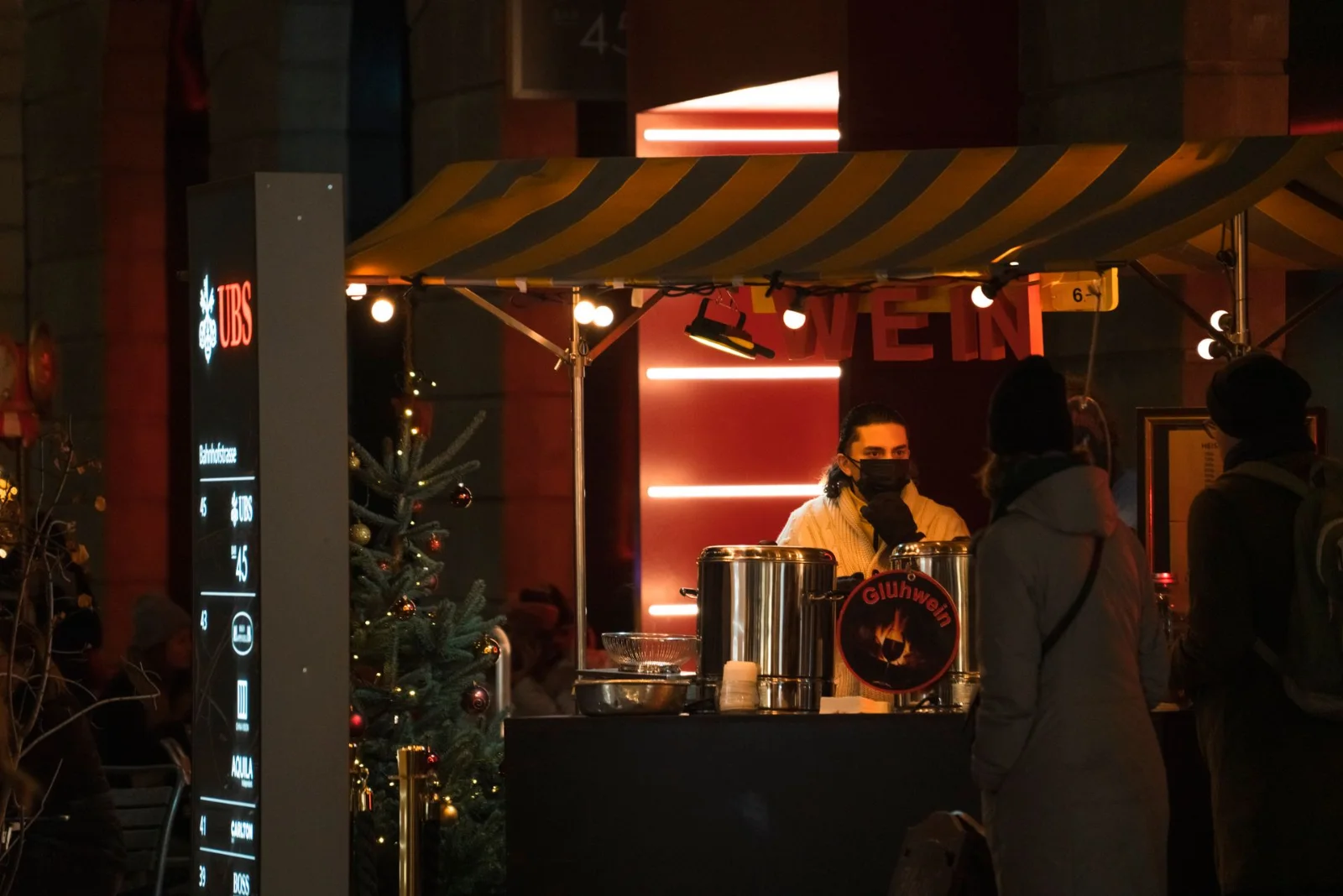
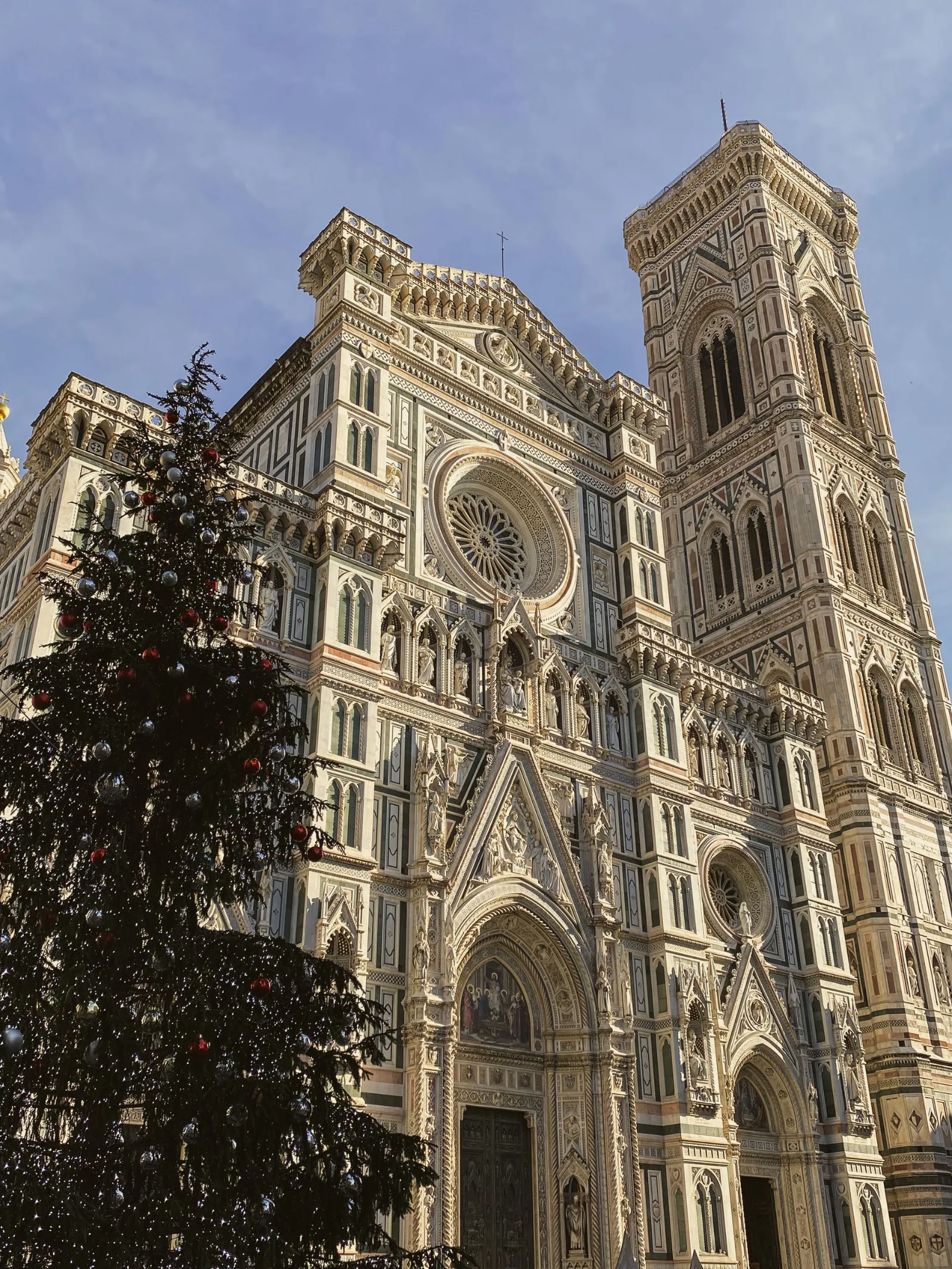
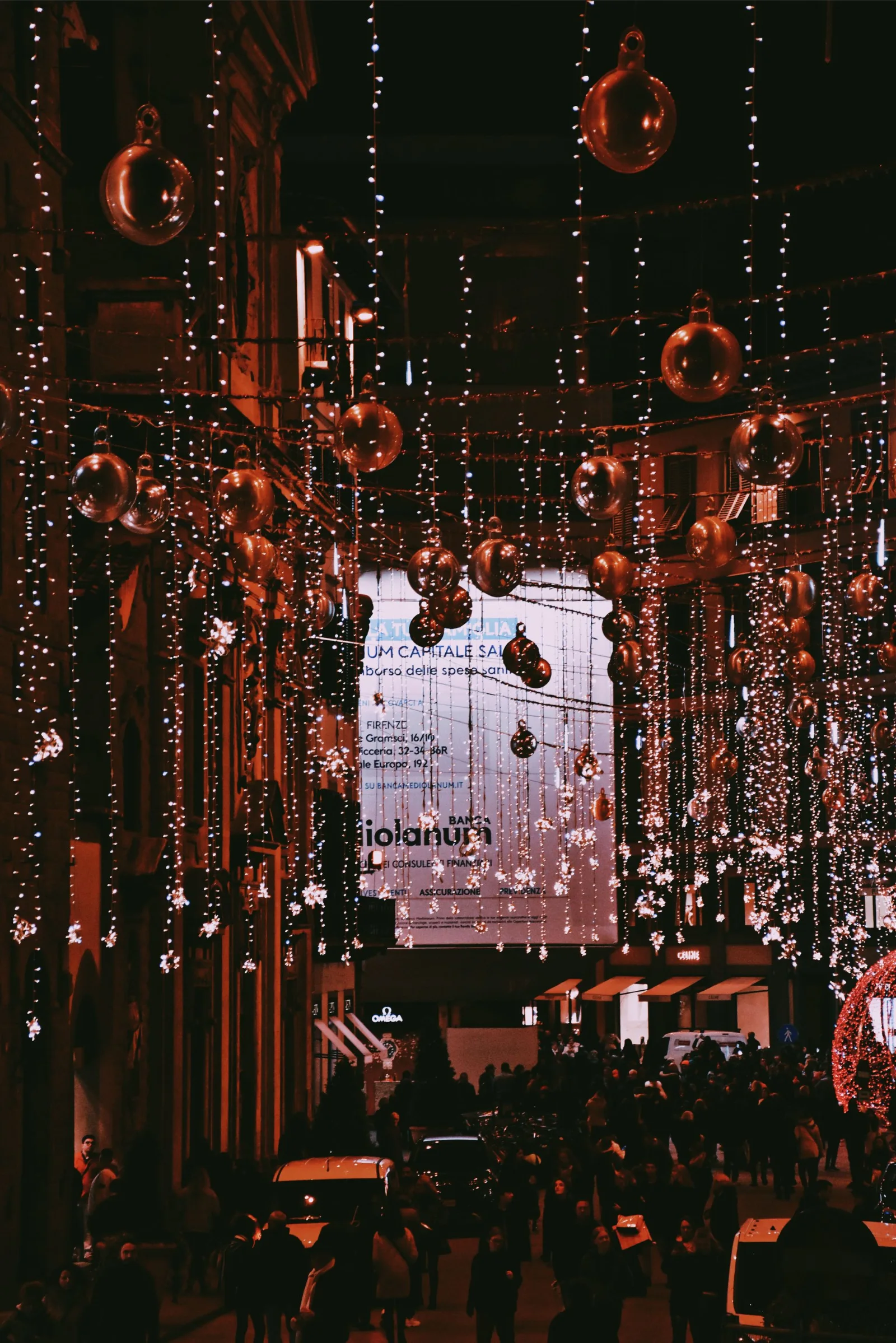
Florence's best-known Christmas market has been held on Piazza Santa Croce for more than twenty years, in front of the white marble façade of the basilica. It is a German-style market (Weihnachtsmarkt) with more than fifty wooden chalets: decorations, ceramics, wool, candles and spices, and in between strudel, sausages, gingerbread and mulled wine. Entry is free and the stalls stay open until late in the evening.
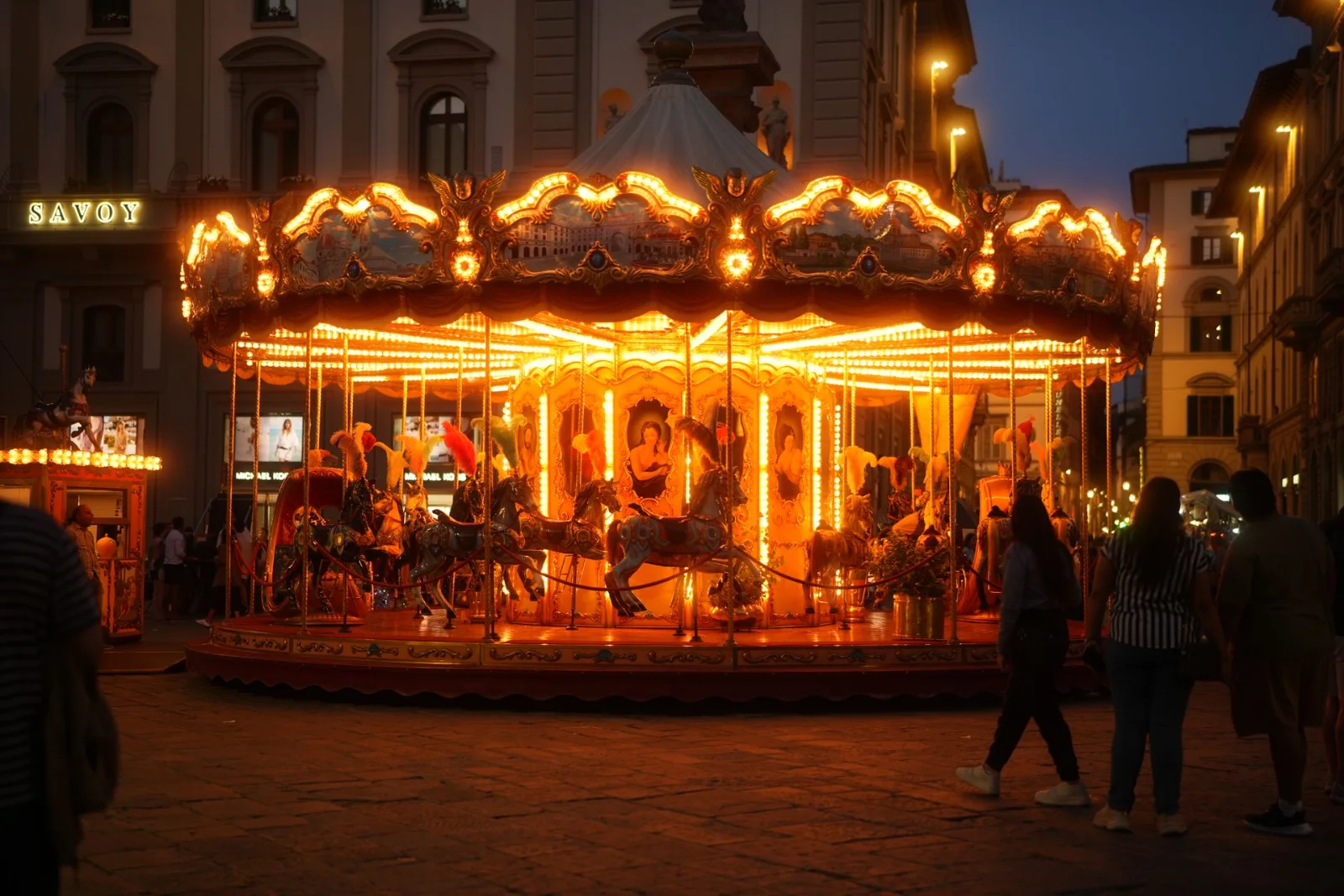
Combine the market with an evening walk through the illuminated centre: the large Christmas tree on the cathedral square, the carousel on Piazza della Repubblica and the light art of the Florence Light Festival on bridges and façades.
Our tip: drive to Pontassieve or Rignano sull'Arno and take the train from there to Firenze Santa Maria Novella. That way you avoid the traffic and the ZTL in the centre.
Montepulciano, the wine town of Vino Nobile, turns into a fairy-tale village at Christmas. On the Piazza Grande and along Via San Donato there are around seventy wooden chalets selling decorations, leather goods, crafts, cheese, cured meats and sweets, plus a covered food area. It is the largest Christmas market in central Italy.
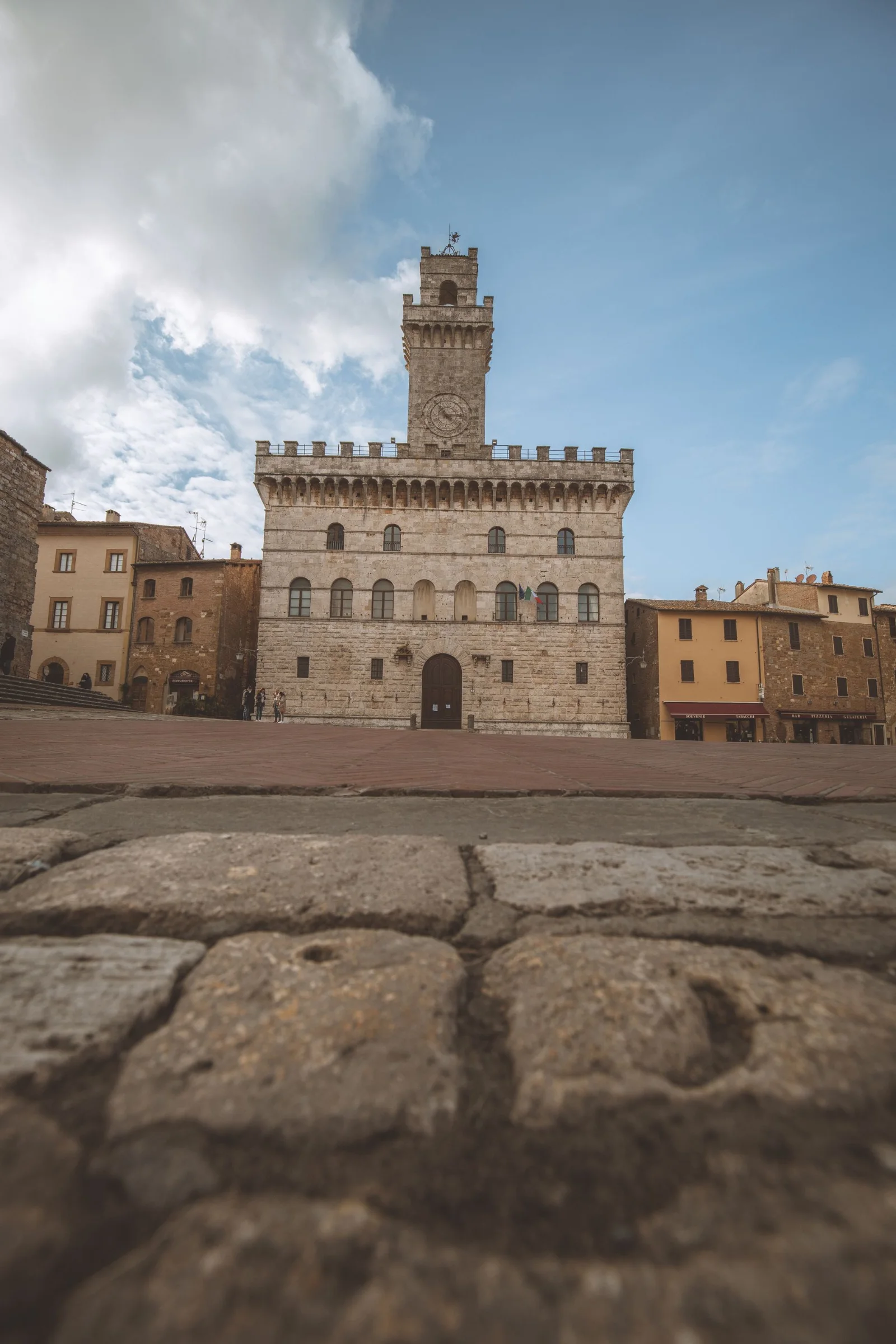
The medieval fortress becomes the Castello di Babbo Natale, Santa's castle: children walk past the elves' workshop and the magic kitchen, sit in the sleigh and meet Santa in his throne room. The castle charges admission; on December weekends it is best to buy tickets online.
The market runs from late November to 6 January, at first mainly at weekends and around 8 December, and from about 20 December every day (usually 10:30–19:30). From the borgo, drive via Arezzo and the A1 to the Valdichiana, and combine the market with a wine tasting in one of the cellars beneath the town.
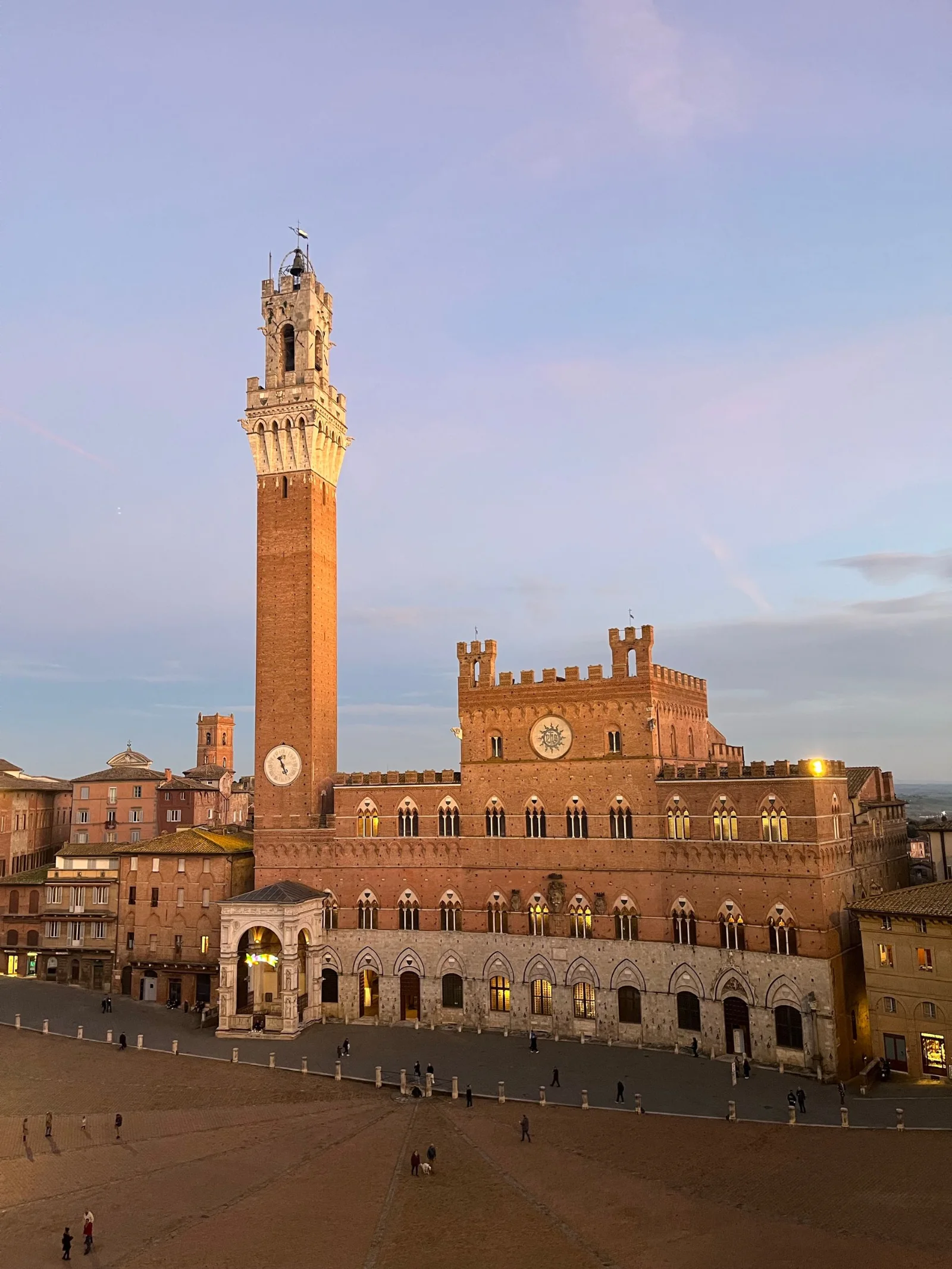
Siena does things differently. For a few days around 8 December, the feast of the Immaculate Conception, the shell-shaped Piazza del Campo turns into a medieval market. The Mercato nel Campo recreates the great market held here in the fourteenth century. The stalls follow the shape of the square and sell crafts and local produce from Siena and the surrounding area.
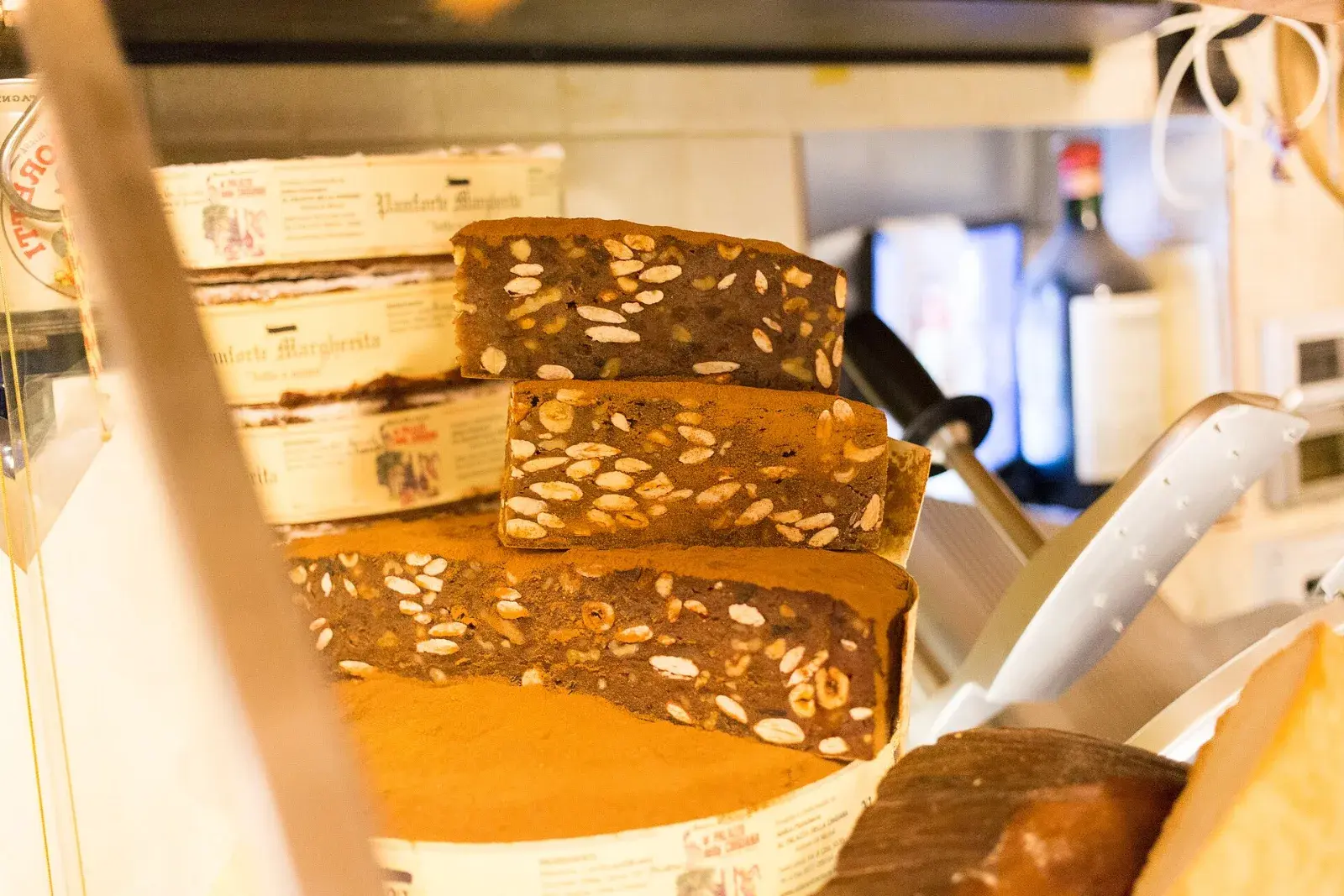
This is the place to taste Siena's Christmas treats: panforte (a spiced cake of nuts, honey and candied fruit), ricciarelli (soft almond biscuits dusted with icing sugar) and cavallucci (aniseed biscuits with walnuts). Afterwards, walk along the illuminated Via Banchi di Sopra to the big Christmas tree on Piazza Salimbeni.
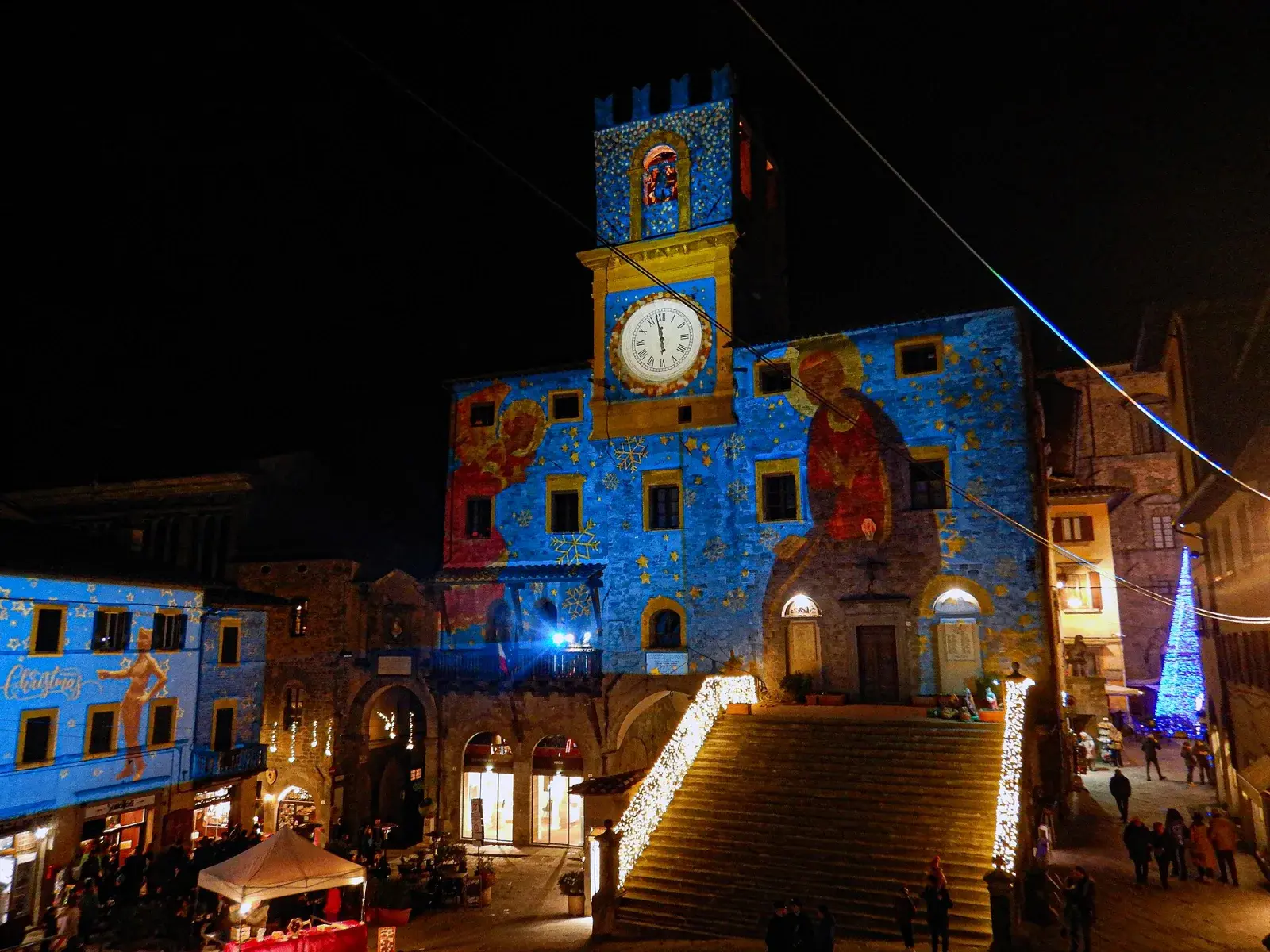
Cortona, high above the Valdichiana, celebrates on a smaller scale but with plenty of atmosphere. In December and early January there are markets, nativity scenes and events in the historic centre, and façades such as the Palazzo Comunale are painted with light. On a clear winter day the view from the town walls stretches far across the plain to Lake Trasimeno. The town usually announces the exact dates in November.
If you want to make a long day of it, Lucca (just over two hours' drive) has a Christmas market on Piazza Napoleone, and the city inside its walls is beautifully lit. On the way lies Empoli, which, like Arezzo, calls itself a Città del Natale, with dozens of stalls, light projections and a Christmas park for children. Both are also easy to reach by train from Florence.
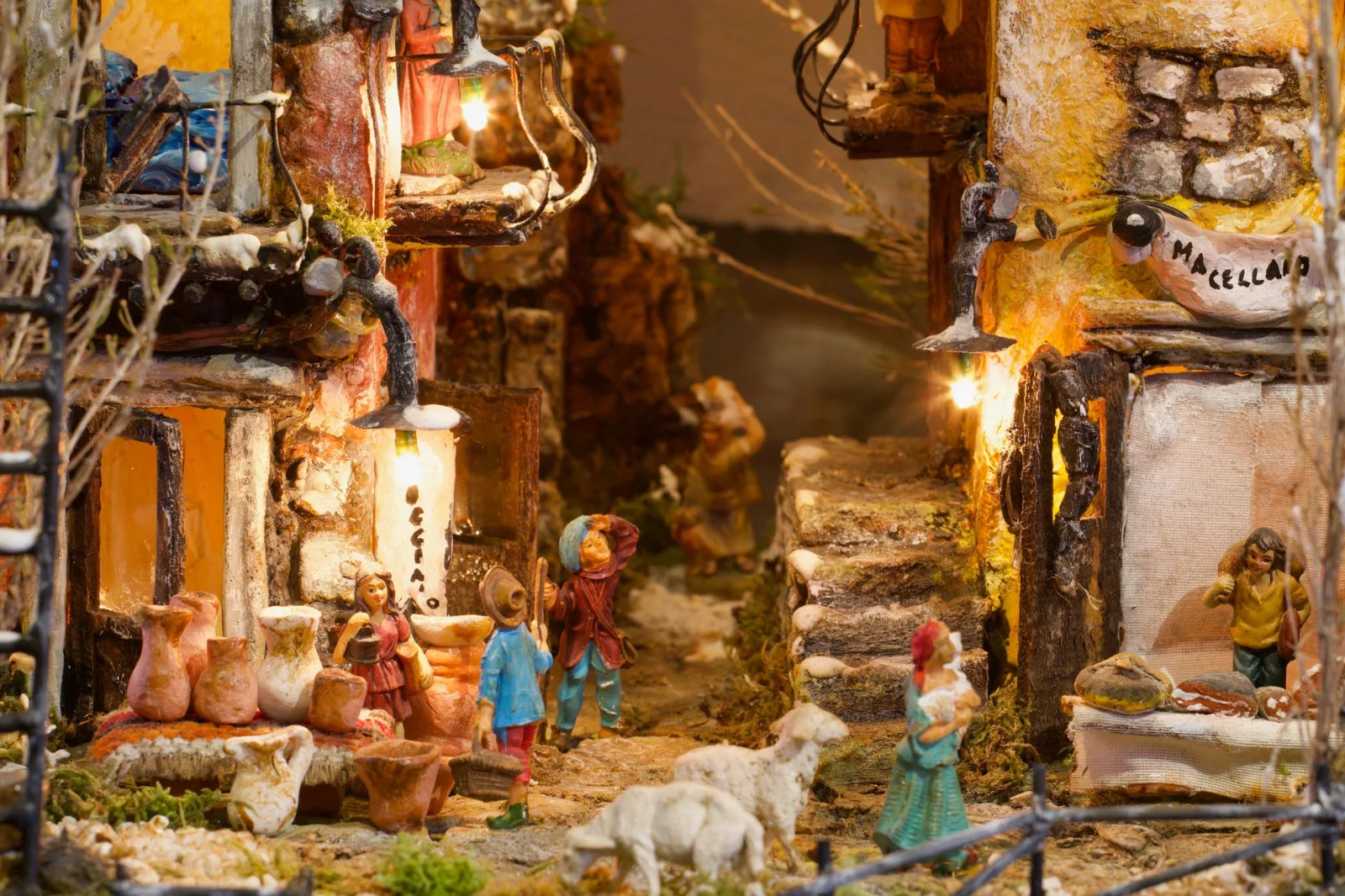
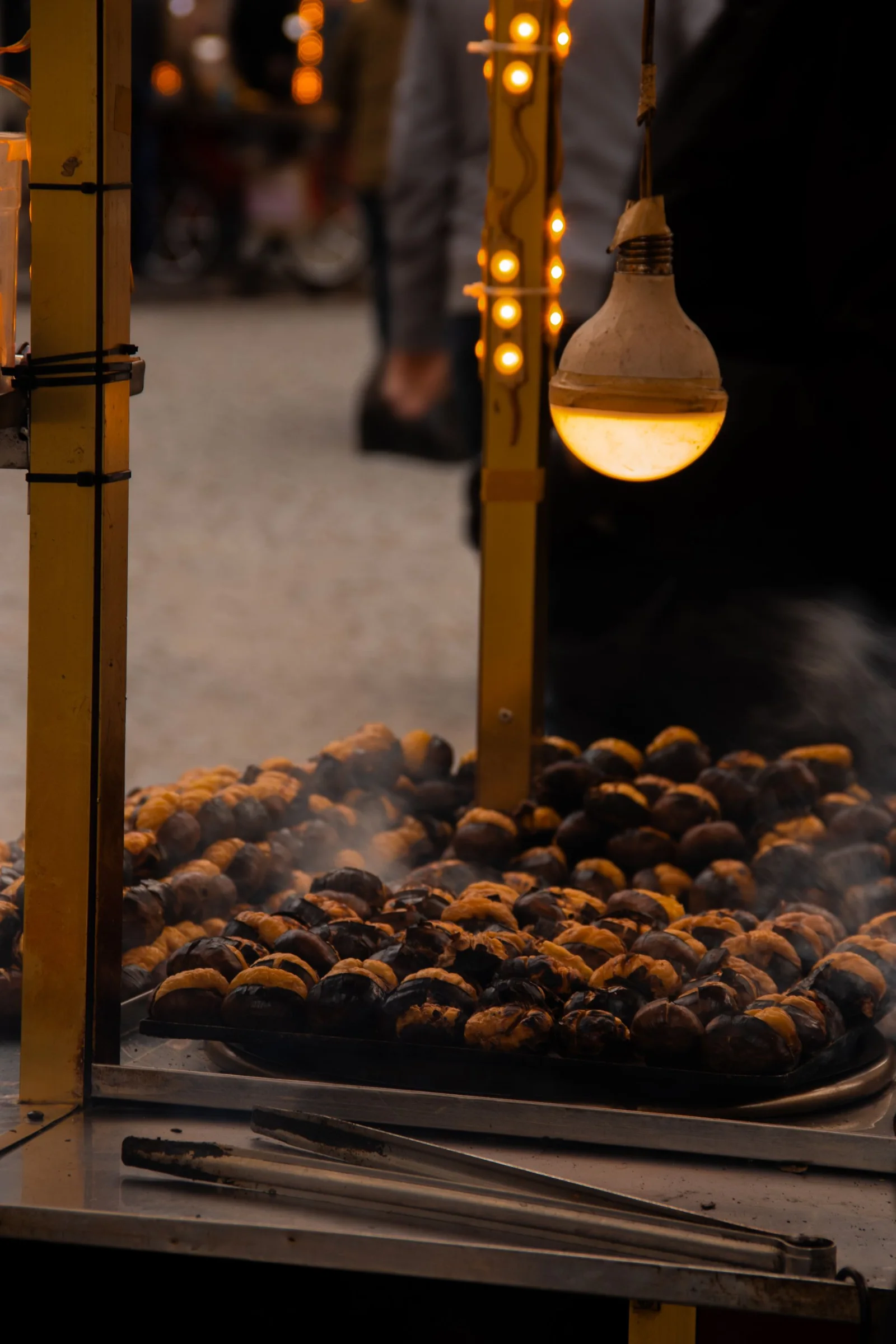
You don't need to drive far for Christmas atmosphere. In the villages of the Casentino, the valley where the borgo lies, things are small-scale and authentic. In December, nativity scenes (presepi) appear in churches and alleys, sometimes even living nativity scenes, and several villages hold a small market with chestnuts, honey, cheese and crafts.
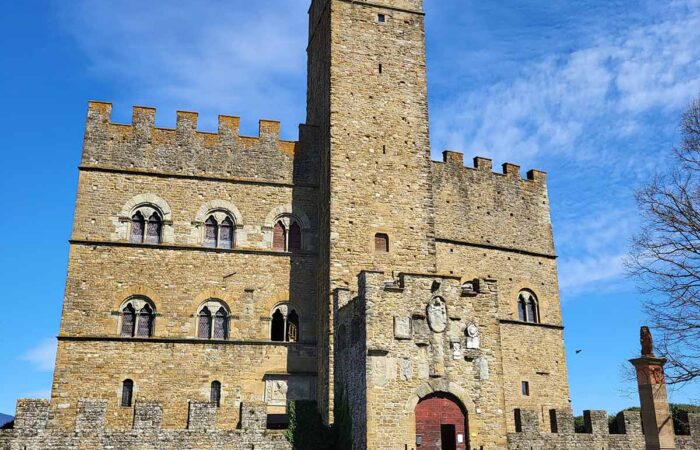
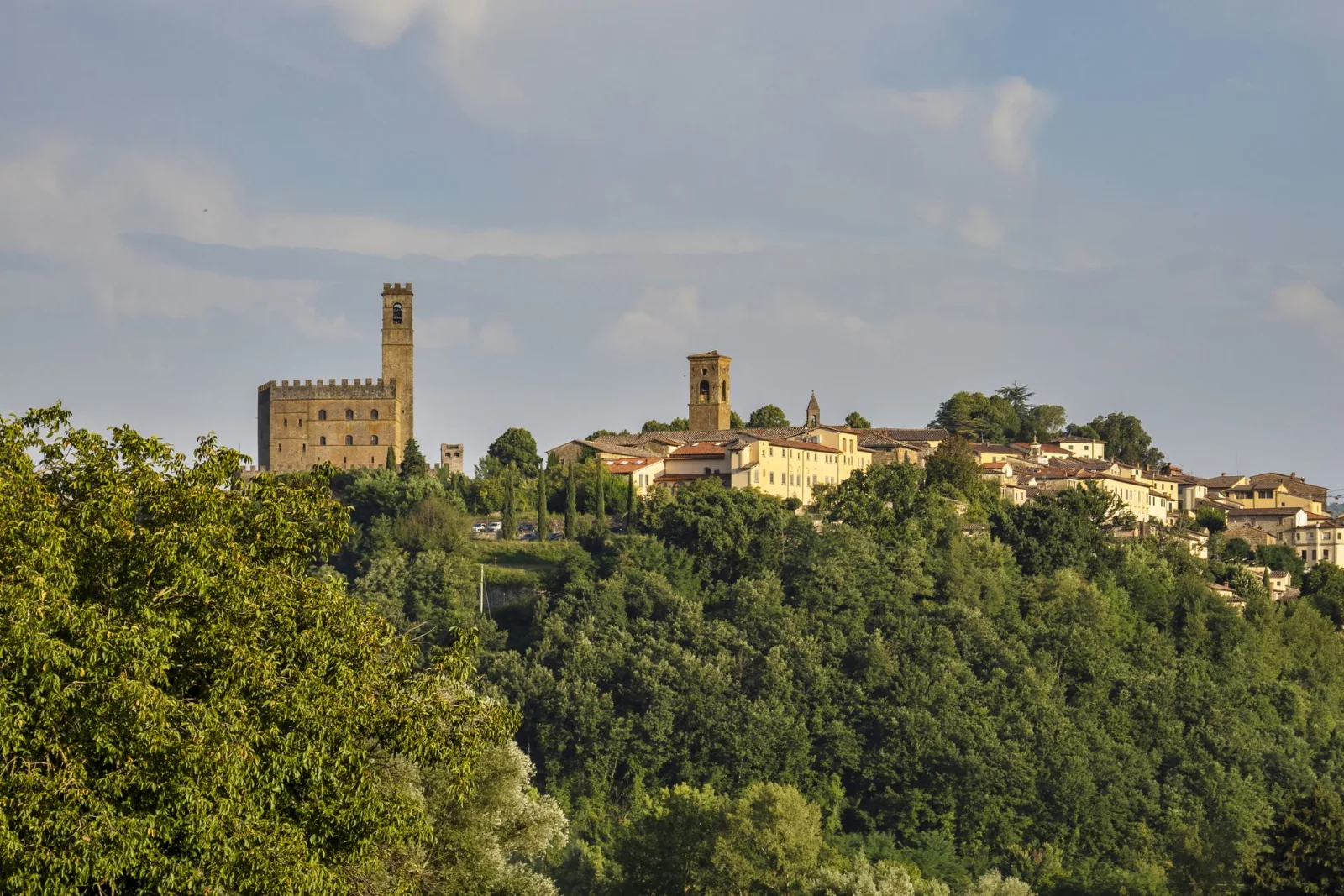
A special one is Montemignaio, at the foot of the Pratomagno. The Casentino is one of Italy's main areas for growing Christmas trees, and Montemignaio calls itself the village of Christmas trees, with its own Christmas celebrations. Poppi, with its castle above the valley, and Stia are also lovely to stroll through during the holidays.
In winter the highest peaks of the Foreste Casentinesi sometimes get snow. A brisk walk near Camaldoli or La Verna followed by a long lunch by the fire: that's Christmas in Tuscany too. For more ideas, see our blog on hiking and nature around the borgo.
The minimum stay with us is three nights. A long weekend could look like this:
For more outing ideas, see our blog on day trips from the borgo, and in Christmas and New Year in Tuscany you can read how Italians celebrate the holidays.
Good to know: our apartments are closed in December 2026 and early January 2027. In the second half of November 2026, when the markets are already open, you can still stay with us, and the 2027 Christmas season is already open for booking. As we only have three apartments, we recommend checking availability early.
Choose your dates and see straight away which apartment is available. Not sure which markets to combine? Feel free to send us a message.
Daniëlle and Martijn
Most markets open in mid or late November and run until just before or after Christmas. Arezzo's Tyrolean village usually runs from mid-November to late December, Montepulciano until 6 January, and Siena's Mercato nel Campo lasts only a few days around 8 December.
Arezzo has the largest Tyrolean Christmas village in Italy outside South Tyrol. Montepulciano, with around seventy chalets, calls its market the largest in central Italy.
Montepulciano, with Santa's castle in the fortress, and Arezzo, with Santa's house, a Ferris wheel and an ice rink.
Yes. From Rassina station, close to the borgo, the train runs to Arezzo, and from Arezzo you can continue to Florence. Montepulciano is easiest to reach by car.
Walking around the markets is free. Attractions such as Santa's castle in Montepulciano and the Ferris wheel and ice rink in Arezzo charge admission.
We are closed in December 2026 and early January 2027. You are welcome until 30 November 2026 and again from January 2027, and the 2027 Christmas period is already bookable, with a minimum stay of three nights.
Photos and videos
Photos via Pexels and Wikimedia Commons, with thanks to the photographers: Andrea Prochilo, Korkut Mamet, Apollonia, Sergio Zhukov, Andrea Mosti, Andrea Galli, mark soetebier, Rino Adamo, Nazlı Isguven (Pexels), Albarubescens (CC BY-SA 4.0), GodeNehler (CC BY-SA 4.0). Video: Mercatini Natale Arezzo (YouTube), Firenze Fuori (YouTube), Natale a Montepulciano (YouTube), Siena News (YouTube), Teletruria TV (YouTube).